The Importance of Immune Cell Storage
Aging is an unavoidable and eternal topic for humans, and the aging of the human body begins with cells
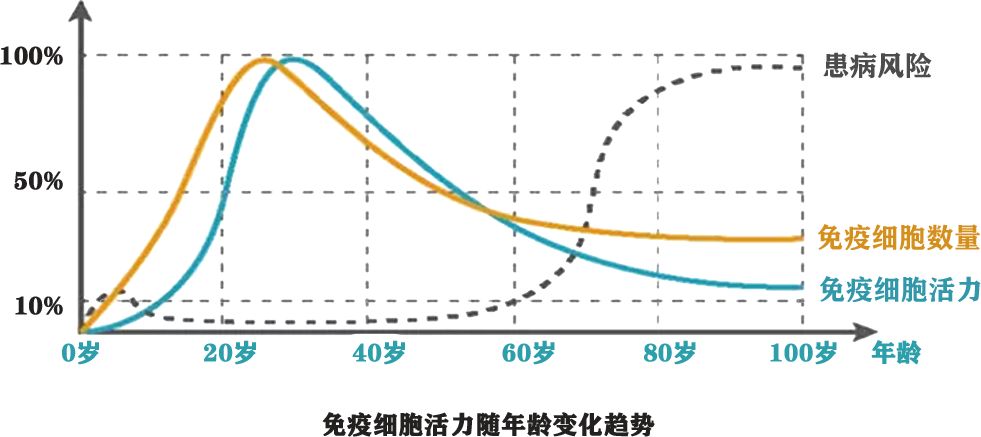
The human body is composed of approximately 40-60 trillion cell progenitors, the vast majority of which do not accompany us for life but undergo continuous self replacement. For young and healthy individuals, strong immune cells in the human body will promptly detect and eliminate foreign cells and bacteria and viruses that invade from outside the body and want to harm us. However, as age increases, the weakened immune cells' ability to work decreases, making it difficult to recognize foreign objects in a timely manner, which can lead to the occurrence of various diseases.
-
Treat diseases
Immune cells can help cancer patients eliminate tumor cells that have already occurred, inhibit tumor metastasis, accelerate tumor regression, and control cancer development.
-
Improve sub-health
Sub health is a state in which the human body tends towards diseases. After entering sub health, our immune system significantly decreases, making it easy to cause diseases. Healthy immune cells improve the living environment of various cells in the human body, maintain the stability of the human environment, and improve sub health.
-
Boost immunity
Immune cells are the key to endowing humans with the ability to resist diseases and immunity. By using healthy immune cells, the human immune system can be reshaped and effectively enhanced.